For inquiries, feel free to contact us through our hotline 0917-541-4627, 0925-811-4627, and 0920-949-4627, or via email at info@inframachineries.com

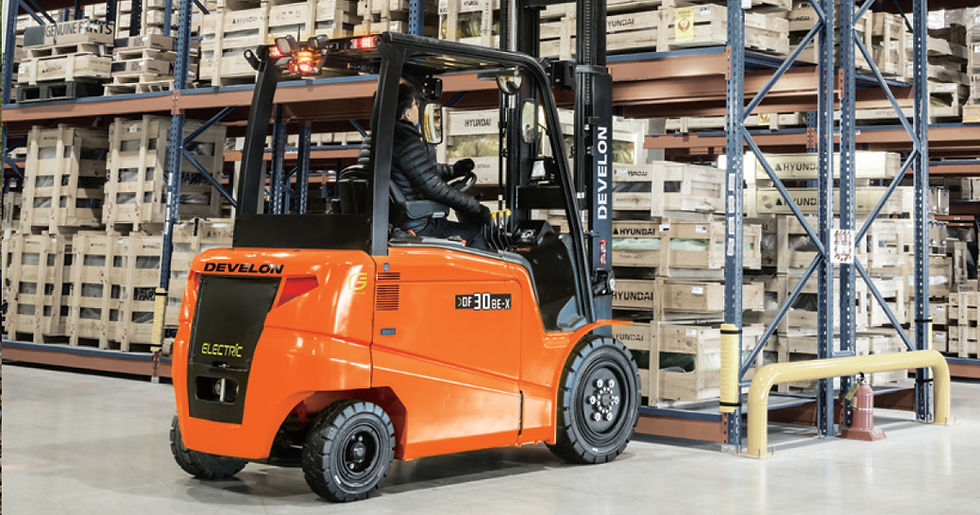
Forklift batteries are essential for any business relying on material handling equipment. They provide the necessary power to drive motors and ensure operations run smoothly. While various options exist today, the main choice usually comes down to lead acid or lithium ion technology.
Lithium ion is a modern technology that is rapidly gaining popularity. These batteries offer several advantages such as faster charging and improved production efficiency compared to traditional lead acid
What is a Lithium Ion Forklift Battery?
A lithium ion forklift battery is an electrochemical power source that uses lithium ions to drive an electric motor. These batteries feature a higher energy density and a significantly longer life cycle, meaning they require less frequent replacement.
High energy modern battery technology.
Commonly used in electric vehicles, light equipment, and electronics.
Generates electricity by guiding ions and electrons through separate paths to create a current.
What is a Lead Acid Forklift Battery?
Lead acid batteries utilize lead and lead oxide as primary reactants. They are a traditional choice for forklifts and vehicles due to their reliability. The primary difference is the use of lead ions rather than lithium ions to store and deliver power.
Traditional and established battery technology.
Widely used in generators, standard vehicles, and UPS systems.
Comparing Lithium Ion and Lead Acid
Understanding the operational differences helps in choosing the right power source for your needs:
Maintenance: Lead acid batteries require regular fluid top ups and cleaning to prevent corrosion. In contrast, lithium ion batteries are low maintenance and generally last longer when stored properly.
Weight: Lead acid packs are significantly heavier, often weighing up to four times more than a lithium ion equivalent.
Charging Equipment: Lead acid batteries typically utilize different charging parameters and higher current delivery compared to the specialized chargers used for lithium ion systems.
Charging Flexibility: Lithium ion batteries are much more versatile for opportunity charging during short breaks, whereas lead acid batteries usually require long, uninterrupted charging cycles.
Benefits of Lithium Ion Forklift Batteries
Many businesses are moving toward lithium ion because of the following advantages:
Faster Charging
Lithium ion batteries accept current at a higher rate, allowing them to charge much faster than lead acid alternatives. They do not require a full charge to operate at 100% capacity, which increases overall fleet efficiency.
Longer Service Life
These batteries typically last up to two times longer than lead acid models. They do not suffer from the same degradation issues, allowing operators to charge them quickly to finish a shift rather than stopping to swap out heavy battery packs.
Reduced Maintenance Costs
Because lithium ion batteries do not require watering or frequent cleaning, you save money on labor and repairs over the life of the battery.
Eco-Friendly
Operation Lithium ion technology is more environmentally friendly because it produces minimal emissions during use and charging.
Choosing the Best Battery for Your Forklift
While lithium ion batteries have a higher upfront cost, their compact size, ease of installation, and long lifespan often provide better value over time. If you are looking for a reliable solution, the Develon DF30BE-X electric lithium ion forklift is an excellent choice for modern businesses.
Contact Inframachineries Today
To learn more about our range of electric forklifts or to inquire about the Develon DF30BE-X, contact Inframachineries today. Our team is ready to help you find the best equipment at the right price to meet your specific operational needs.
IM in the News
Apr 17, 2026